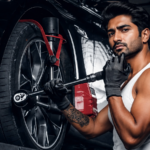

Owning a vehicle comes with the responsibility of maintaining it properly. Regular car maintenance not only improves performance but also increases safety, fuel efficiency, and the lifespan of your vehicle. Many drivers ignore routine maintenance until a major problem occurs, which often results in costly repairs and unexpected breakdowns.
Whether you drive daily for work or use your car occasionally, following a proper maintenance schedule can save you money and help you avoid stressful situations on the road. In this article, we’ll discuss seven essential car maintenance tips that every vehicle owner should know.
1. Change Engine Oil Regularly
Engine oil plays a crucial role in keeping your engine running smoothly. It lubricates moving parts, reduces friction, and prevents excessive wear and tear.
Over time, engine oil becomes dirty and loses its effectiveness. Driving with old oil can lead to poor engine performance and even severe engine damage.
Benefits of Regular Oil Changes
- Improves engine performance
- Reduces engine wear
- Increases fuel efficiency
- Extends engine lifespan
- Prevents costly repairs
Most manufacturers recommend changing the oil every 5,000 to 10,000 kilometers, depending on the vehicle and oil type.
2. Check Tire Pressure Frequently
Proper tire pressure is essential for safety, comfort, and fuel economy. Underinflated or overinflated tires can reduce traction and increase tire wear.
Incorrect tire pressure may also affect steering control and braking performance.
Why Tire Pressure Matters
- Better fuel efficiency
- Improved road grip
- Longer tire life
- Enhanced driving comfort
- Increased safety
Check tire pressure at least once a month and before long trips. Always follow the recommended pressure listed in your vehicle’s owner’s manual.
3. Inspect and Replace Brake Components
The braking system is one of the most important safety features of any vehicle. Worn brake pads, damaged rotors, or low brake fluid levels can significantly reduce stopping power.
Warning Signs of Brake Problems
- Squeaking or grinding noises
- Soft brake pedal
- Vehicle pulling to one side
- Vibrations while braking
- Increased stopping distance
Ignoring these signs can lead to dangerous driving conditions and expensive repairs. Schedule regular brake inspections to ensure your vehicle remains safe.
4. Monitor Battery Health
A dead battery is one of the most common causes of vehicle breakdowns. Extreme weather conditions, corrosion, and age can reduce battery performance.
Most car batteries last between three and five years, depending on usage and maintenance.
Battery Maintenance Tips
- Clean battery terminals regularly
- Check for corrosion
- Ensure connections are tight
- Test battery voltage periodically
- Replace old batteries before failure
If your vehicle struggles to start or electrical systems behave unusually, it may be time for a battery inspection.
5. Replace Air Filters When Needed
Your vehicle contains both engine air filters and cabin air filters. These filters help keep dirt, dust, and debris from affecting performance and air quality.
Benefits of Clean Air Filters
Engine Air Filter
- Improves fuel efficiency
- Enhances engine performance
- Reduces emissions
Cabin Air Filter
- Improves interior air quality
- Reduces allergens
- Enhances passenger comfort
Replacing air filters is an affordable maintenance task that can make a noticeable difference in vehicle performance.
6. Maintain Proper Fluid Levels
Your car relies on several important fluids to operate correctly. Low or contaminated fluids can cause serious mechanical problems.
Important Vehicle Fluids
Engine Oil
Lubricates engine components.
Coolant
Prevents overheating and freezing.
Brake Fluid
Ensures proper braking performance.
Transmission Fluid
Supports smooth gear shifting.
Power Steering Fluid
Improves steering control.
Windshield Washer Fluid
Maintains clear visibility.
Checking fluid levels regularly helps prevent breakdowns and costly repairs.
7. Follow a Scheduled Maintenance Plan
Every vehicle manufacturer provides a recommended maintenance schedule. Following this schedule ensures that critical components are inspected and replaced at the correct intervals.
Typical Scheduled Services
- Oil and filter changes
- Tire rotation
- Wheel alignment
- Brake inspections
- Battery testing
- Fluid replacement
- Belt and hose inspections
- Spark plug replacement
Routine maintenance helps identify small issues before they become major problems.
Common Mistakes Car Owners Should Avoid
Many drivers unknowingly reduce their vehicle’s lifespan by making avoidable mistakes.
Ignoring Warning Lights
Dashboard warning lights should never be ignored. They often indicate issues that require immediate attention.
Delaying Repairs
Small problems can quickly become expensive repairs when left unresolved.
Skipping Regular Service
Routine maintenance is significantly cheaper than major mechanical repairs.
Driving with Low Fuel Frequently
Consistently running your fuel tank near empty can place additional stress on the fuel pump.
Neglecting Tire Maintenance
Poor tire care can affect safety, fuel economy, and driving comfort.
Why Professional Car Servicing Matters
While basic maintenance can be performed by vehicle owners, professional technicians have the tools and expertise to identify hidden issues.
A professional service center can:
- Perform detailed inspections
- Use advanced diagnostic equipment
- Detect problems early
- Ensure manufacturer-recommended maintenance is completed correctly
- Improve vehicle reliability and safety
Choosing experienced technicians helps protect your investment and keeps your vehicle operating at its best.
Conclusion
Proper car maintenance is essential for safety, reliability, and long-term savings. Regular oil changes, tire inspections, brake checks, battery maintenance, and scheduled servicing can significantly extend the life of your vehicle while reducing repair costs.
By following these simple maintenance tips and seeking professional service when needed, you can enjoy a smoother driving experience and avoid unexpected breakdowns. Investing in preventive maintenance today can save you thousands of rupees in repairs tomorrow.